It's not the cow its the how
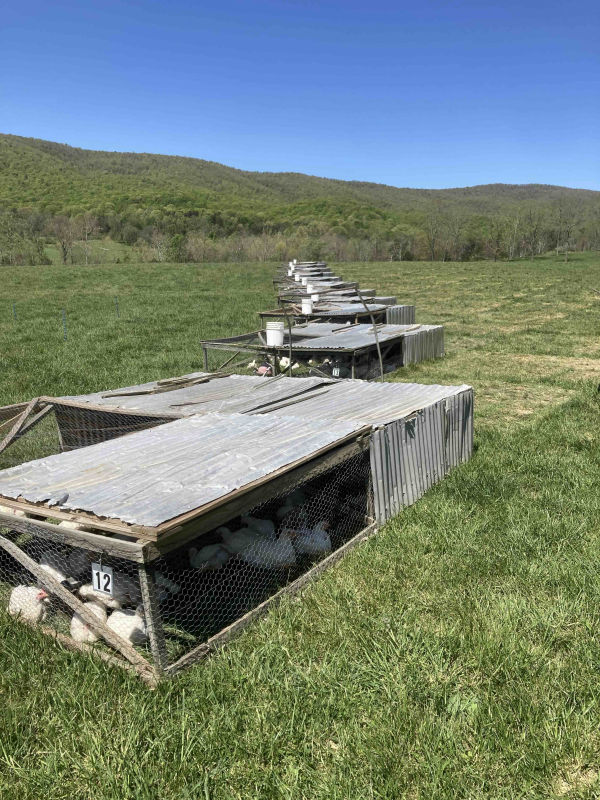
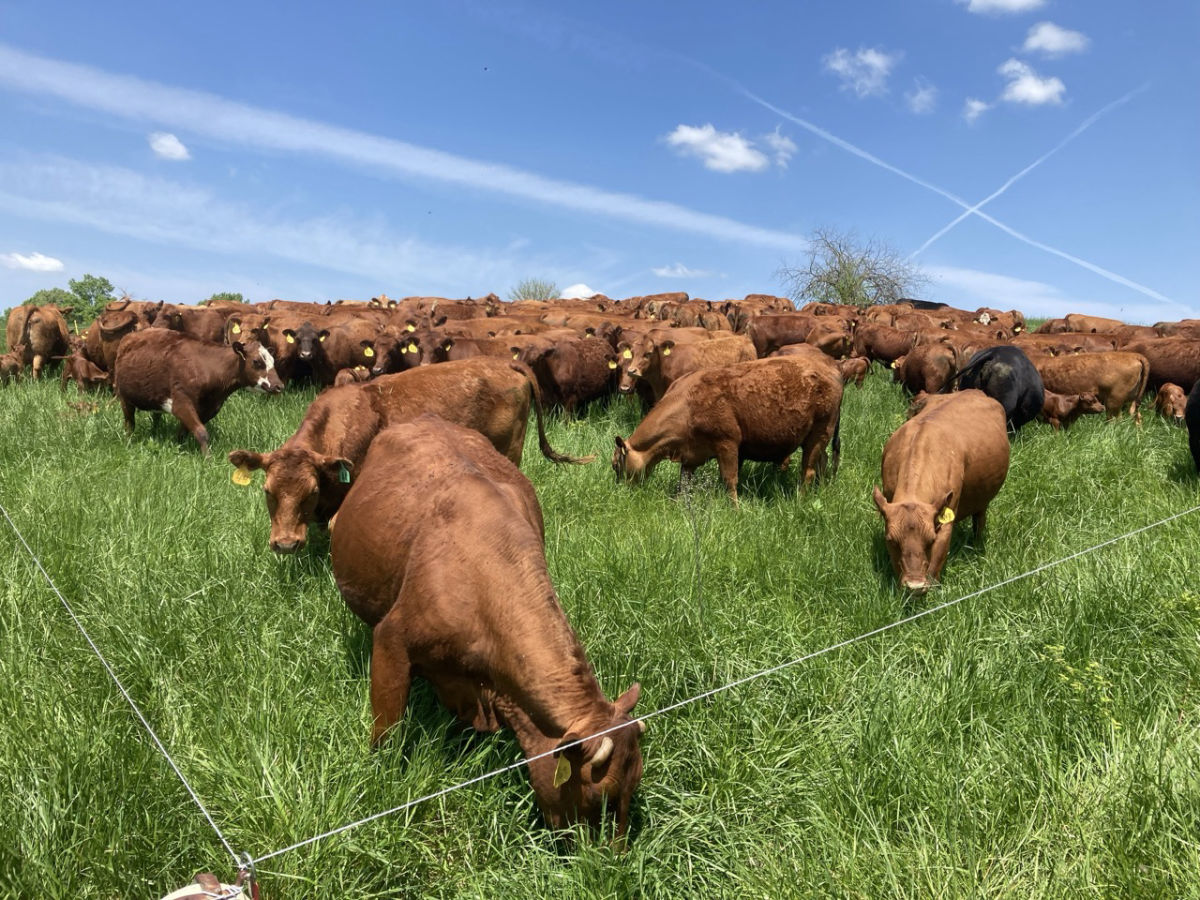
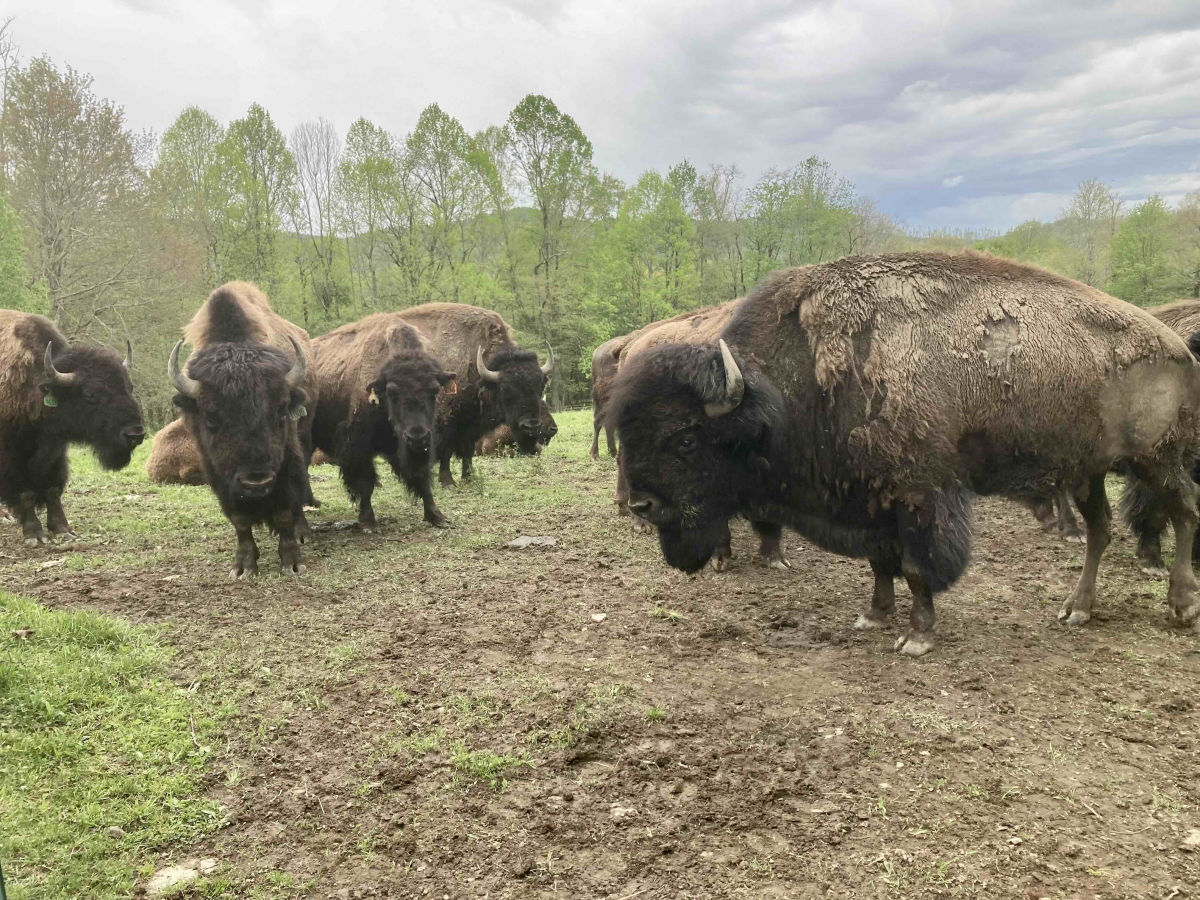
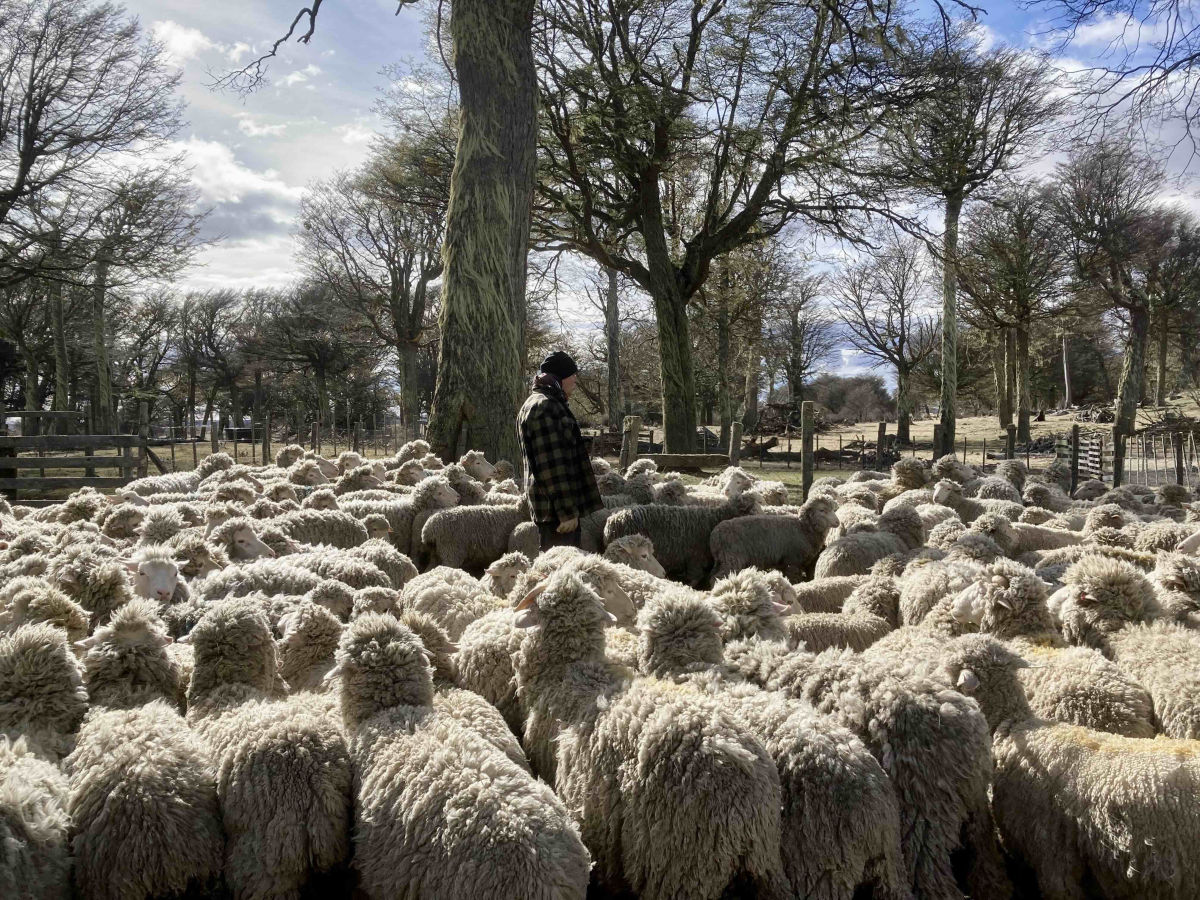
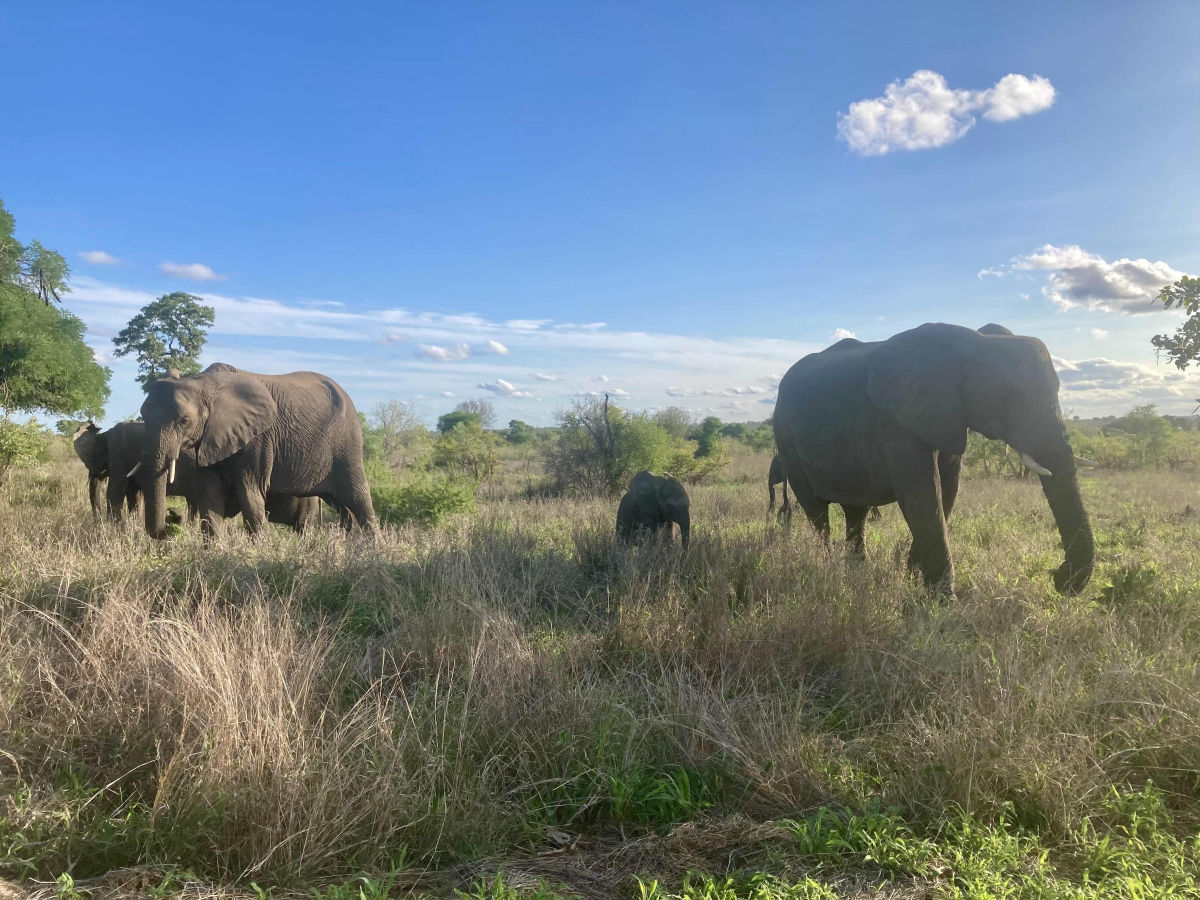
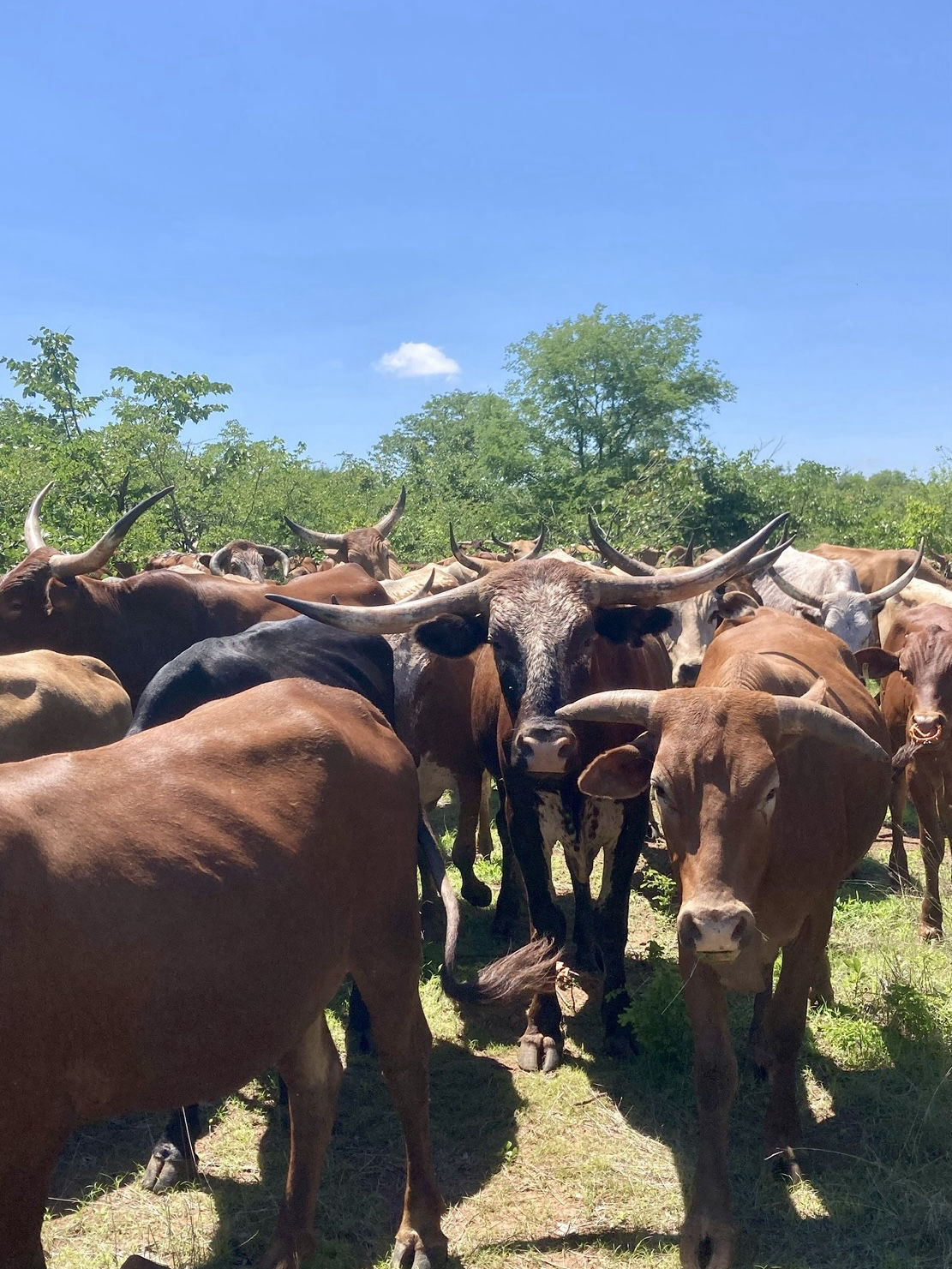
We've been accusing animals of overgrazing and causing desertification for decades. Now cows are also being blamed for methane emissions. Meat and red meat especially is being vilified in the West. However, land degradation can be reversed using livestock with proper management : planned grazing. 10000 years ago there was way more animals roaming this earth than today, imagine millions of bison, caribou, dear, wild horses, even mammoths, hunted by lions, wolves... The methane from gut fermentation was never a problem, it is part of the carbon cycle. Wild meat is know for being clean and rich in nutrients. It is this meat that allowed for men to expand its brain and body in size, to eventually dominate the world. Studies show that pasture raised meat has good nutritional qualities (rich in omega 3, vitamins, minerals, phytonutrients...). Red meat is the most nutrient dense and bioavailable food on the planet. Animals are part of the solution, nature does not function without animals.
It is time for a paradigm shift. A new approach is needed to address the world's urgent problems, and it starts in our heads. The conventional model of decision making focuses on problems and solving them, often treating only the symptoms. The holistic model takes in account the whole we manage in order to make informed decisions.
Founded 40 years ago by Allan Savory, Holistic Management is a framework for decision making that helps ensure ecological, economic, and social soundness in both the short and long term. Savory based this framework on four discoveries he made throughout the years as a game ranger, farmer and politician. Four key insights, which are pivotal in understanding the natural world : 1 - Nature functions in wholes, 2 - The Brittleness scale, 3 - Prey predator relationship, 4 - Timing is more important than numbers. From these insights, Savory devised different planning procedures to manage the complexities of the world. Holistic Management is mostly aimed at land managers, but it is a creative and proactive way of thinking that can be adapted to all organisations, which have to deal with complex problems and need to plan for the future. Others tools and methods exist such as Permaculture, Keyline Design, etc, which are complementary to Holistic Management and can be implemented in synergy for optimal results.
Now more than ever, we need a "soil revolution", we need an army of regenerative managers, who will put in place practices that create rich soils, breed abundant life, sequester carbon, generate wealth, and serve their communities, all by mimicking nature's principles. Whether you are a farmer, a rancher, a consumer, a parent, a politician, you have a role to play to make sure our children have a healthy planet to thrive in.

Follow us